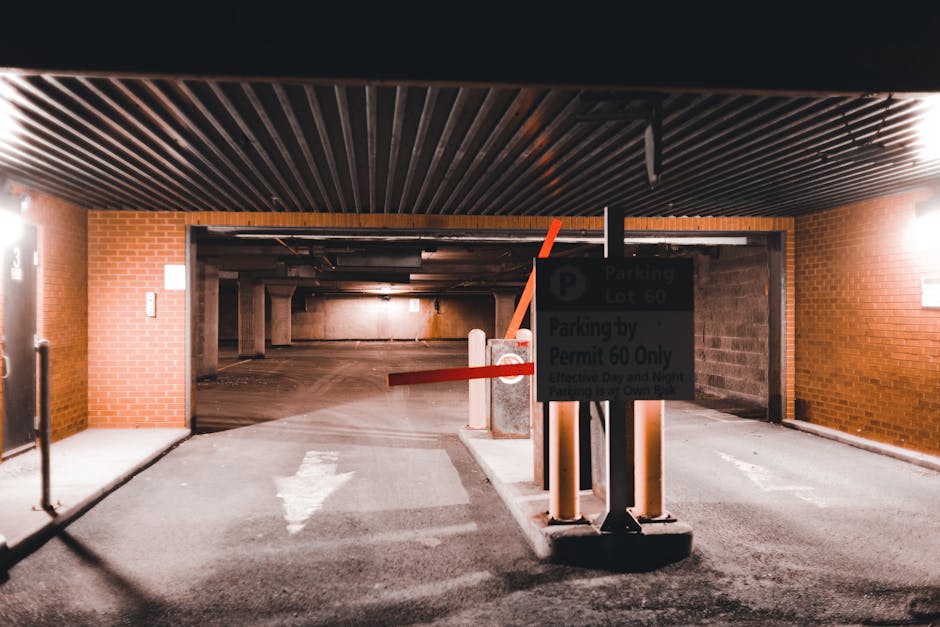
Turkey Street apartment removals with parking permit advice: a practical guide for a smoother move
Moving out of a flat near Turkey Street can feel straightforward right up until the van arrives and the parking becomes the problem. That's where Turkey Street apartment removals with parking permit advice really earns its keep. A good move is not just about boxes and a strong back; it is about access, timing, lift use, loading space, and knowing what to do if a permit is needed or a bay is already taken. Miss that part, and even a well-planned removal can slide into stress by 8:15 on a damp weekday morning.
This guide walks you through the practical side of apartment removals in Turkey Street, with a focus on parking, permits, and the small decisions that save the day. You'll find a clear process, common mistakes, expert tips, and a realistic checklist you can use before moving day. If you're weighing up whether to book help or handle it yourself, you'll also see where services like flat removals, man and van, and removals can fit in.
Table of Contents
- Why Turkey Street apartment removals with parking permit advice matters
- How it works
- Key benefits and practical advantages
- Who this is for and when it makes sense
- Step-by-step guidance
- Expert tips for better results
- Common mistakes to avoid
- Tools, resources and recommendations
- Law, compliance, standards, or best practice
- Options, methods, or comparison table
- Case study or real-world example
- Practical checklist
- Conclusion
- Frequently asked questions
Why Turkey Street apartment removals with parking permit advice Matters
Apartment moves are different from house moves in all the annoying little ways that matter most on the day. There may be no driveway, no generous front garden, and no easy place to leave a van while you carry a sofa down stairs. In Turkey Street, the parking question can be the difference between a clean, organised move and a long wait while someone circles the block looking for a legal space.
Parking permit advice matters because it affects almost every part of the move: arrival time, loading efficiency, the number of trips needed, and whether your movers can work safely close to the entrance. Even when parking looks "fine" at a glance, there may be restrictions for residents, visitors, loading only, controlled hours, or bay-specific rules. To be fair, a single ticket or blocked access can throw the whole schedule off.
There's also the neighbour factor. Flats tend to share access routes, entrances, and tight roads. If the van blocks a communal entrance or sits in a space meant for another resident, tensions can rise very quickly. A little permit planning helps keep things calm, which is half the battle.
For people moving from an upper-floor flat, permit planning is even more important. Every extra minute of carrying furniture from a distant bay adds strain, slows the team, and increases the chance of knocks, scrapes, or a very awkward pause on the stairwell. Nobody wants that.
Key takeaway: in apartment removals, parking is not an admin detail. It is part of the move itself, and it should be treated that way from the start.
How Turkey Street apartment removals with parking permit advice Works
The process is simpler when broken into pieces. First, you confirm what kind of access the property actually has. Then you work out whether the van can park legally close enough to the entrance to load safely. After that, you arrange any permit, visitor bay, or loading plan that is needed, and only then do you lock in the move time.
In practical terms, good parking permit advice usually covers five things:
- the type of street parking near the building
- whether any loading restriction applies
- the likely size of vehicle needed
- how long loading and unloading may take
- who is responsible for securing permission or permit arrangements
Sometimes the answer is easy: there is a suitable loading bay, a visitor space, or a forecourt that can be used for a short period. Other times, the route is less obvious. A van may need to stop a short walk away, or the move may be scheduled around restrictions. If you are dealing with a particularly tight flat access, it can be sensible to consider small removals or a more flexible vehicle option rather than assuming a large lorry will make life easier.
Truth be told, the best removals teams do not just turn up and hope for the best. They ask questions. They want to know where the van can wait, whether there is a lift, whether the road narrows, and whether there is anywhere sensible to stand while furniture comes out. That's not being fussy. That's experience.
Key Benefits and Practical Advantages
There are some very real benefits to getting parking permit advice right before a Turkey Street apartment move.
1. Faster loading and unloading
The closer the van can get to the entrance, the fewer steps your belongings need to travel. That speeds everything up, reduces fatigue, and helps keep the move on schedule. Simple, but crucial.
2. Lower chance of fines or complaints
Permit issues can lead to avoidable penalties, especially when a vehicle is parked in a controlled bay without the right permission. Even when no ticket appears, neighbours or building managers may object if the arrangement looks improvised.
3. Better protection for furniture
Longer carries and more stops increase the chance of bumps and dropped items. Good access planning means less handling, and less handling usually means less damage. You can feel the difference when a sofa goes from van to lift in one clean route instead of three awkward turns and a narrow hallway shuffle.
4. Less stress for everyone
There is something deeply calming about knowing the van can park where it should. The move feels controlled rather than chaotic. That emotional side matters more than people admit.
5. Better use of storage if needed
If access is constrained or the keys exchange does not line up perfectly, short-term storage can bridge the gap. Options like short-term storage or self storage can be useful if you need a little breathing space between leaving one flat and settling into the next.
Who This Is For and When It Makes Sense
This advice is useful for anyone moving into or out of an apartment, but it is especially relevant if any of the following apply:
- you live on an upper floor
- the building has no dedicated driveway or loading area
- parking around the block is limited
- the road is busy at peak times
- your move includes bulky furniture or white goods
- there are time restrictions on visitor parking
- you are coordinating with a landlord, managing agent, or building concierge
It also makes sense if you are moving as a tenant on a deadline. In those situations, parking can be the hidden stress point. You may know your inventory, but if the van cannot stop in the right place, the whole schedule becomes a moving target. That is when a flexible service like local removals can be handy because the team is already used to working around local access quirks.
And yes, if you are doing the move yourself with friends, you still need this advice. Arguably more so. Friends can lift boxes, but they usually cannot fix parking restrictions with a grin and a trolley. Well, not without a bit of luck.
Step-by-Step Guidance
Here's the cleanest way to plan Turkey Street apartment removals with parking permit advice without getting buried in last-minute details.
- Check the property access first. Look at the entrance, stairs, lift, and route from street to flat. Measure doorways and tight corners if you have larger furniture.
- Identify the parking situation. Find out whether there are bays, loading areas, visitor spaces, or restrictions. If the building has a managing agent, ask them directly what is allowed.
- Confirm permit requirements early. Do not leave this until the day before. Some arrangements need advance notice, especially where a permit or bay booking is involved.
- Choose the right vehicle size. A van that is too large can create access problems. A van that is too small can mean repeat trips. Neither is ideal, really.
- Map the route for lifting and carrying. Think about lifts, stairs, shared corridors, and whether there are awkward turns or doors that swing inward.
- Reserve packing time. Good packing reduces chaos at the kerb. If you want help with boxing, wrapping, and fragile items, packing services can save time and headaches.
- Prepare a move-day contact. One person should be responsible for speaking with the driver, managing keys, and dealing with access questions.
- Build in a buffer. In apartment moves, a small delay is normal. Someone is usually in the lift. Or the bay is occupied. Or the weather decides to be awkward.
- Have a fallback plan. If parking falls through, decide now whether you will use a different space, wait, or move part of the load into storage.
A useful approach is to imagine the move in 10-minute blocks. What happens first? Who meets the van? Where does the first item go? That kind of mental walkthrough sounds almost too simple, but it genuinely works.
Expert Tips for Better Results
After enough flat moves, certain patterns become obvious. Here are the details that tend to make a real difference.
Keep bulky items close to the exit
Do not leave the sofa, wardrobe, or mattress hidden behind six boxes of books and a lamp. Put the hardest items near the door so they can go out first while everyone is fresh.
Label by room and priority
Labels are not glamorous, but they save time. Mark boxes with the room name and a priority note like "open first" or "fragile." It's a small thing, but on the day it saves a lot of wandering around.
Protect floors and shared areas
Apartment blocks often have communal hallways and lifts, which means you should think about floor protection, door-frame care, and keeping the route tidy. A professional team will usually help with that as part of good practice.
Ask about lift booking or move windows
Some buildings prefer you to reserve a lift or move during certain hours. That can affect parking and arrival times too. If the building manager has a rule, follow it rather than trying to work around it. Less drama that way.
Have one person at the kerb
Someone should stay near the van to direct loading and handle questions about parking. Otherwise, people drift. And then, naturally, the key person is inside the building when the driver needs them. Happens all the time.
Use storage if the timing is messy
If your move-in and move-out do not line up neatly, storage can make the day feel far less frantic. removals and storage can be especially useful when keys are delayed, the new place is not ready, or you simply do not want to rush every decision.
Common Mistakes to Avoid
A lot of apartment move problems are entirely preventable. The tricky part is that they often look minor until the van is already outside.
- Assuming parking will be "fine". That is the classic one. Parking near a flat often looks easier than it is.
- Leaving permit arrangements until the last minute. If advance notice is needed, you want to know that early, not while the kettle is boiling and the boxes are already stacked.
- Booking the wrong size vehicle. Too large creates access headaches; too small creates repeat loading. Both cost time.
- Forgetting about shared access. Lifts, stairwells, courtyards, and bin store entrances all affect the move.
- Not telling the movers about restrictions. They can only plan around what they know.
- Underestimating packing time. A half-packed kitchen can quietly turn into the whole morning disappearing.
- Ignoring storage as a backup. Sometimes it is the neatest solution, especially with short gaps between tenancies.
If you want the honest version: most "move day disasters" are really planning issues wearing a disguise. Nothing dramatic. Just overlooked details piling up.
Tools, Resources and Recommendations
You do not need a mountain of equipment, but a few practical tools make apartment removals easier.
- Strong box tape for sealing cartons properly
- Marker pens for room labels and priority notes
- Furniture blankets for protecting wood, leather, and finished surfaces
- Protective covers for mattresses and soft furnishings
- Trolley or sack truck for heavier items, where building access allows it
- Phone notes for parking instructions, contact numbers, and key collection details
- Printed inventory list so nothing disappears into the wrong room
From a service perspective, some moves benefit from a straightforward man and van arrangement, while others need a fuller removal team, especially if stairs, parking, and furniture volume all come together. If you are moving a smaller load, or only a few essential items, it can be worth comparing that with small removals rather than overcommitting.
When in doubt, ask practical questions before booking. How long is the vehicle expected to wait? What happens if parking is a short walk away? Will the team help with access challenges? Those questions are not fussy at all. They are just sensible.
Law, Compliance, Standards, or Best Practice
Parking and removals in the UK sit in a mix of local rules, building rules, and general road use standards. The exact permit requirements will depend on the local authority and the street, so it is wise not to assume that one street works the same as another. In apartment moves, building management rules may matter just as much as street rules.
Best practice is simple: confirm access permission before the move, avoid blocking traffic or communal access, and make sure the van is parked legally and safely. If a loading bay is available, use it only as allowed. If a permit is required, secure it in advance. If the building has a timed move window, respect it.
There is also a safety side to this. Reputable movers should think about manual handling, safe lifting, and protecting shared spaces. That includes not overloading a route, avoiding unnecessary carrying distance, and keeping pathways clear. You can check general standards and company commitments through pages such as health and safety policy and insurance and safety.
Another good signal is transparency around pricing and terms. If a move involves parking complications or an unusual access requirement, it should be discussed openly rather than hidden in the background. Clear expectations matter. They always do.
Options, Methods, or Comparison Table
Not every apartment move needs the same setup. Here's a practical comparison of common approaches.
| Option | Best for | Pros | Watch-outs |
|---|---|---|---|
| Self-move with a hired van | Small to medium flat moves with simple access | Flexible, can be cost-conscious, good if parking is straightforward | You handle parking, loading, timing, and lifting yourself |
| Man and van | Smaller flat removals and local moves | More support than DIY, often better for tight access and short notice | May still need careful parking planning and accurate load estimates |
| Full removals service | Furniture-heavy flats, upper floors, or complex access | More hands, better coordination, less physical strain | Needs clearer planning around permits, parking, and building rules |
| Removals plus storage | Delayed completion, gap between tenancies, or overflow belongings | Reduces pressure, keeps items secure, gives breathing space | Requires an extra handover step and a storage budget |
If the parking situation is straightforward, a smaller setup can work very well. If it is not, adding support often pays for itself in saved time and reduced stress. Not fancy. Just practical.
Case Study or Real-World Example
Imagine a second-floor flat near Turkey Street with a tight stairwell, two wardrobes, a bed frame, and a kitchen full of the usual odds and ends. The tenant has keys at midday, the new place is ready by early afternoon, and the move needs to happen in one day. On paper, that sounds manageable.
Then the parking issue appears. The nearest space is shared, the street is busy, and there is no guarantee the van can stay directly outside. Rather than leaving it to chance, the move is planned around a confirmed loading spot and a narrow arrival window. Boxes are labelled in advance. Fragile items are packed separately. The larger furniture is staged close to the door. One person meets the driver at the kerb while another handles keys.
What changed the outcome? Not strength. Not luck. Planning.
The move still involved some stair-climbing, a bit of waiting, and the usual sigh when someone realised the plant pot had somehow acquired its own small universe of soil. But the van parked legally, the loading happened cleanly, and the day ended without a parking ticket or a frazzled phone call. That is the sort of result people usually want, even if they do not say it out loud.
For moves with extra belongings, the couple of items that do not need immediate unpacking could be sent to household storage until the new flat feels more settled. Sometimes that's the difference between a packed corridor and a calmer first week.
Practical Checklist
Use this checklist before moving day. It keeps things grounded.
- Confirm flat access, stairs, and lift availability
- Check parking restrictions near the building
- Arrange any permit or loading permission needed
- Choose the correct vehicle size
- Tell the movers about narrow roads or awkward turns
- Label all boxes by room and priority
- Pack valuables and essentials separately
- Protect furniture and shared surfaces
- Confirm who meets the van and where
- Decide on a backup plan if parking is unavailable
- Prepare keys, contact numbers, and building instructions
- Consider storage if the handover timing is uncertain
Quick reminder: if the move is business-related or part of a work relocation, it may be worth looking at office removals or office storage for documents, furniture, or equipment that should not be rushed into the wrong place.
Conclusion
Turkey Street apartment removals with parking permit advice is really about making the move work in the real world, not just on a planner. When parking is sorted early, access is clear, and the right removal support is in place, the day becomes far easier to manage. Less waiting. Fewer surprises. Much less of that sinking feeling when the van arrives and the road says "not today."
The smartest apartment moves are usually the ones with the calmest preparation. You do not need perfection. You just need a sensible plan, good timing, and a clear understanding of the parking rules before boxes start moving. That alone can save a lot of hassle.
If you are comparing options, thinking through access, or simply want a steadier move from start to finish, use the services and guidance that fit your situation rather than forcing the move into a one-size-fits-all box. A smoother day is absolutely possible.
Get a free quote today and see how much you can save.
And if there's one final thought to keep with you, it's this: a good move feels less like a scramble and more like a fresh start, which is exactly what it should be.
Frequently Asked Questions
Do I need a parking permit for apartment removals near Turkey Street?
Sometimes yes, sometimes no. It depends on the street, the bay type, and the building rules. The safest approach is to check ahead rather than assuming a van can stop anywhere nearby.
How far in advance should I sort parking for a flat move?
As early as possible. A few days can be enough in simple cases, but if permissions, visitor bays, or building approvals are involved, earlier is much better.
What happens if the van cannot park outside the building?
The team may need to stop further away and carry items the extra distance. That usually takes longer, so the move plan should account for it in advance. A fallback parking option helps a lot.
Can I use a loading bay for removals?
Only if the bay allows it and only for the permitted time. Loading bays are often limited, so it is important to check the local rules and any building instructions before using one.
Is a man and van service enough for an apartment move?
It can be, especially for smaller loads or straightforward access. If the flat is higher up, parking is difficult, or furniture is bulky, you may need something more substantial.
What if my new flat is not ready on the same day?
That is where storage can help. Short-term storage or removals and storage can give you a buffer so you are not racing the clock with every single item.
Do movers usually help with parking advice?
Good movers should. They may not control the local rules, but they can advise on vehicle size, access, timing, and practical loading needs based on experience.
Should I tell the building management before moving day?
Yes, if there is a managing agent or concierge. Many apartment buildings prefer advance notice, and that can make access smoother for everyone involved.
What should I pack separately for an apartment move?
Keep essentials, valuables, documents, chargers, medicines, and a basic first-night bag separate. It saves time and prevents that awkward moment when you are hunting for kettle leads at 9 p.m.
How do I avoid damage in narrow hallways or stairwells?
Measure large furniture, protect edges, use proper lifting methods, and make sure the route is clear before the move starts. If the access is especially tight, slower is often safer than faster.
Are there any UK rules I should know about for parking a removals van?
There are usually local parking restrictions, building rules, and safety expectations to consider. The exact position depends on the location, so confirm the practical details before moving day rather than relying on assumptions.
What is the best next step if I'm still unsure about access?
Take a fresh look at the property, note the parking options, and speak to a removals provider before the moving date gets too close. A quick conversation can prevent a lot of stress later on.