Recycling and Sustainability at Enfield Wash Storage
 At Enfield Wash Storage, sustainability is built into the way we operate every day. Our approach to storage recycling is shaped by a simple idea: reduce waste wherever possible, separate materials carefully, and make it easier for customers and partners to choose lower-impact options. We aim to support a recycling percentage target of at least 85% across operational waste streams, with the long-term ambition of pushing even higher as sorting systems improve and more materials are captured for reuse. This includes cardboard, pallet wrap, metal, wood, paper, and eligible electrical items, all handled with a focus on responsible diversion from landfill.
As a local storage provider, we also recognise that sustainability is not only about what happens on-site. It is about how we move goods, how we manage packaging, and how we work with the wider community. In a borough setting such as North London, waste separation has become more specific and more important, with an increasing focus on dry mixed recycling, food waste segregation, and clearer separation of textiles, batteries, and bulky items. By aligning our operations with those local habits, Enfield Wash Storage helps customers recycle more effectively while keeping our own environmental footprint as low as possible.
 One of the ways we support sustainable operations is through use of local transfer stations and licensed recycling facilities. These sites play a major role in ensuring waste is sorted, compacted, and sent onward to the most appropriate recovery route. In practice, that means timber can be separated from general waste, metal can be recovered for reprocessing, and cardboard can be baled for paper mills rather than mixed into landfill loads. Choosing nearby facilities also helps reduce transport distances, which supports our wider low-carbon storage approach.
We are careful to work within borough-specific waste expectations, especially where local authorities encourage residents and businesses to keep recyclables clean and separated. This is particularly relevant for items such as flattened cardboard boxes, office paper, plastic film, and small household goods that can be sorted before collection. Our recycling processes reflect that emphasis on waste separation, helping us maintain cleaner material streams and lower contamination levels. The result is a more efficient route into recycling, and a better chance that recovered materials are turned into new products.
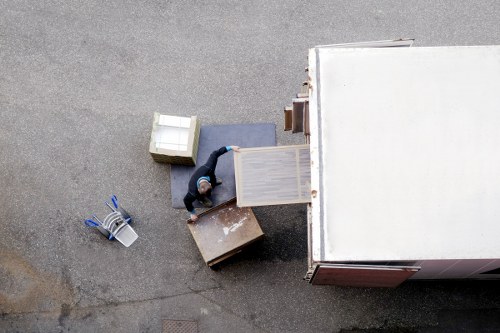 Partnerships with charities are another important part of our sustainability strategy. Where suitable, we direct reusable items toward charitable organisations that can give them a second life through redistribution, refurbishment, or resale. This may include shelving, desks, chairs, filing equipment, and other storage-related items that remain in good condition. By working with charities, Enfield Wash Storage supports a circular economy model: items are kept in use for longer, waste is reduced, and community organisations benefit from access to practical goods at lower cost.
These partnerships also help us make better decisions about what should be recycled and what should be reused. Not every item belongs in the recycling bin, and our internal processes distinguish between recoverable materials and items with reuse potential. That distinction matters because reuse typically has a lower environmental impact than recycling alone. We see this especially with durable goods, where a minor repair or clean-up may be all that is needed before a donation partner can pass the item on. In that sense, Enfield Wash Storage sustainability is as much about extending product life as it is about end-of-life recovery.
We also place emphasis on responsible handling of items that require specialist treatment. Batteries, electronics, fluorescent tubes, and mixed media items are managed in line with approved recycling routes, helping to avoid contamination and improve safety. This supports the broader borough effort to keep hazardous and non-hazardous waste apart, which is a key part of modern urban recycling systems. By separating these streams carefully, we contribute to cleaner recovery outcomes and less pressure on disposal infrastructure.
Low-Carbon Vans and Smarter Transport
 Transport is one of the biggest opportunities to cut emissions in storage and removals work, which is why we continue to invest in low-carbon vans and more efficient routing. Our fleet strategy includes newer vehicles with improved fuel economy and, where appropriate, lower-emission technologies. We also plan journeys carefully to reduce empty miles, combine collections where possible, and avoid unnecessary back-and-forth trips. This makes our eco-friendly storage transport approach more practical and less carbon intensive.
For customers, that means a cleaner service that still remains flexible and dependable. We understand that moving items into storage often comes with packaging waste, wrapping materials, and mixed loads of household or business goods. By using efficient vans and route planning, we reduce the environmental impact of those moves while maintaining the service standards expected from a modern storage provider. It is a small but meaningful part of our wider commitment to sustainable logistics.
Reducing Waste Across Every Stage
 At Enfield Wash Storage, sustainability does not end with collections and recycling pickups. We also review how materials are used in daily operations, from office supplies to packing materials, aiming to cut down on excess and reuse where possible. Cardboard, stretch wrap, and protective packaging are separated carefully so that the cleanest possible recycling streams are created. In local boroughs where waste rules are increasingly focused on correct sorting, this disciplined approach helps us stay aligned with community standards and environmental expectations.
Enfield Wash recycling is therefore part of a larger sustainability picture: reuse before disposal, separation before collection, and lower emissions before convenience. We continue to improve our recycling percentage target, strengthen charity partnerships, and expand the use of low-carbon vans as part of a practical, measurable environmental strategy. By combining local transfer station use, careful waste sorting, and a commitment to circular use of materials, we aim to make storage services more responsible for customers and better for the environment.